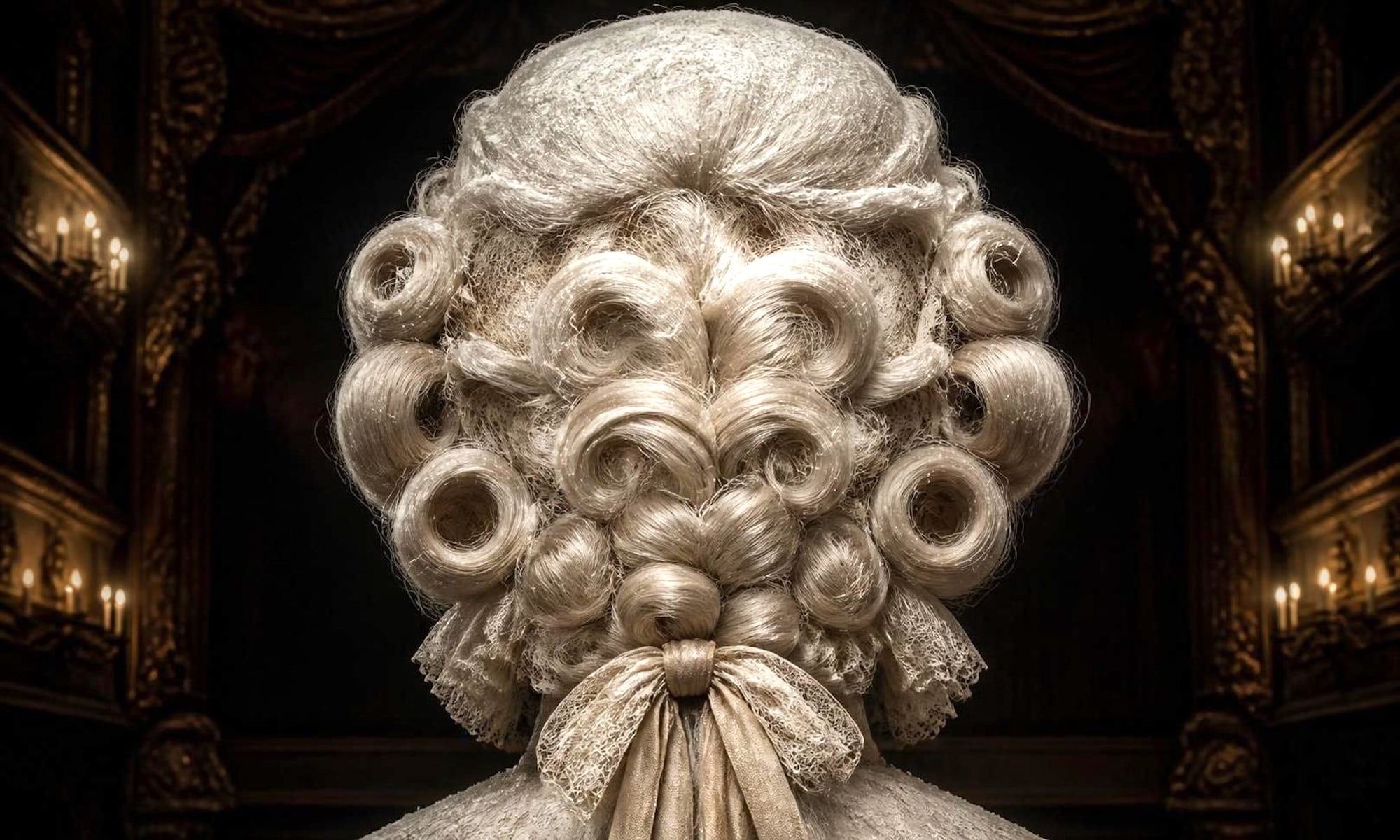
- Wolfgang Amadeus Mozart
Composer - Lorenzo Da Ponte
Librettist
Company – Theatre – Date
- Berlin Opera Academy
- Delphi Theatre
- July–August 2026
Creatives
- Ella Marchment
Director - Awaiting details
Assistant Director - Awaiting details
Set Designer - Yarden Deddi
Costume Designer - Awaiting details
Choreographer - Awaiting details
Lighting Designer
Musicians
- Dominic Wheeler
Conductor - Berlin Opera Academy Choir
Chorus - Berlin Opera Academy Orchestra
Orchestra
Cast
- Awaiting details
Programme
Synopsis
Le Nozze di Figaro (The Marriage of Figaro) is a comic opera in four acts by Wolfgang Amadeus Mozart, set over the course of a single chaotic day in the castle of Count Almaviva, near Seville. The story centres on Figaro, the Count’s valet, and Susanna, the Countess’s maid, who are engaged to be married. Their happiness is threatened by the Count, who has become infatuated with Susanna and intends to revive the old feudal privilege of the ‘right of the first night’, giving him the chance to seduce her before her wedding.
Figaro quickly realizes the Count’s intentions and begins plotting to outwit him, while Susanna proves to be equally clever and resourceful, making her an equal partner in the schemes. At the same time, Countess Rosina Almaviva, heartbroken by her husband’s infidelity, agrees to help expose him and restore their marriage. The opera unfolds through a series of misunderstandings, disguises, hidden identities, and intercepted letters, creating a fast-moving web of comic confusion.
A key subplot involves the youthful page Cherubino, whose uncontrollable romantic feelings for multiple women in the household add further complications. His presence repeatedly disrupts plans and intensifies the Count’s jealousy.
As events escalate, Figaro, Susanna, and the Countess devise a plan to trick the Count during a nighttime encounter in the garden. Susanna disguises herself as the Countess, luring the Count into a staged romantic trap. Meanwhile, Figaro briefly misinterprets the situation, believing Susanna has been unfaithful, which creates a moment of emotional tension before the truth is revealed.
In the final resolution, the Count is exposed and publicly embarrassed, and the Countess confronts him with dignity. He ultimately begs for forgiveness, which she grants. The opera ends with reconciliations and restored relationships, highlighting themes of forgiveness, social inversion, and the triumph of intelligence and virtue over authority and privilege.
Video
Awaiting video
Photos
Awaiting photos
All photos (C) Berlin Opera Academy